Mold Abatement in Dallas, TX
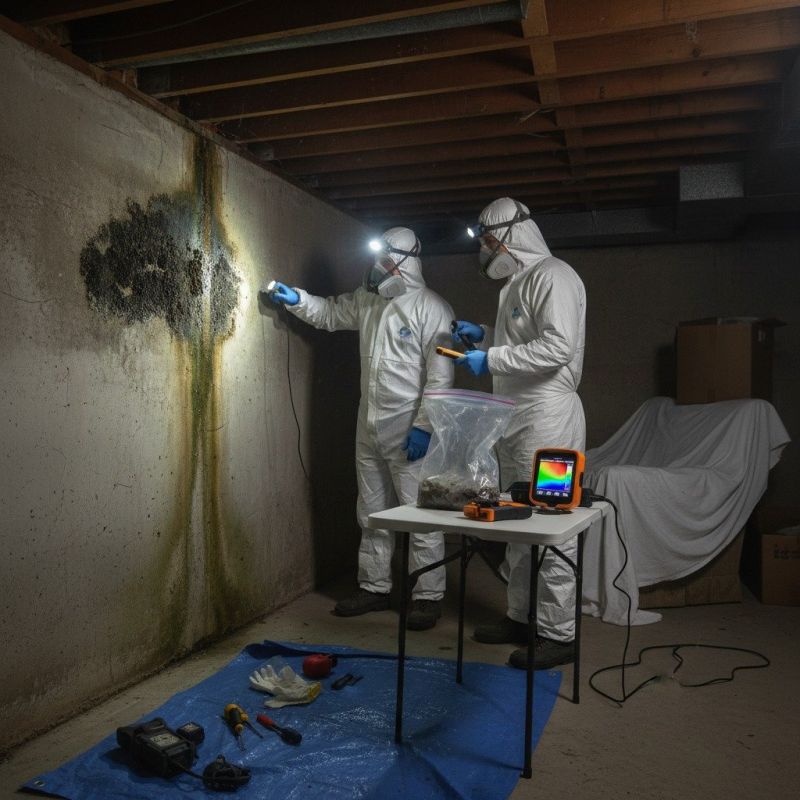
Mold abatement services involve the removal and remediation of mold growth within residential properties. These projects typically address issues caused by excess moisture, leaks, or high humidity, and can include cleaning contaminated surfaces, removing affected materials, and implementing strategies to prevent future mold growth. Homeowners often seek this service when they notice visible mold, experience musty odors, or have health concerns related to mold exposure, especially in areas like basements, bathrooms, or around HVAC systems.
Before requesting mold abatement, property owners usually want to understand the extent of mold contamination, the types of materials that need removal, and the potential for hidden mold in wall cavities or behind fixtures. It’s important to identify the source of moisture contributing to mold growth to ensure effective remediation. Clear communication about the scope of work, any necessary repairs, and ongoing prevention measures can help homeowners make informed decisions about addressing mold issues in their homes.
Many property owners in Dallas, TX look into Mold Abatement for repairs, replacements, upgrades, and appearance-related improvements.
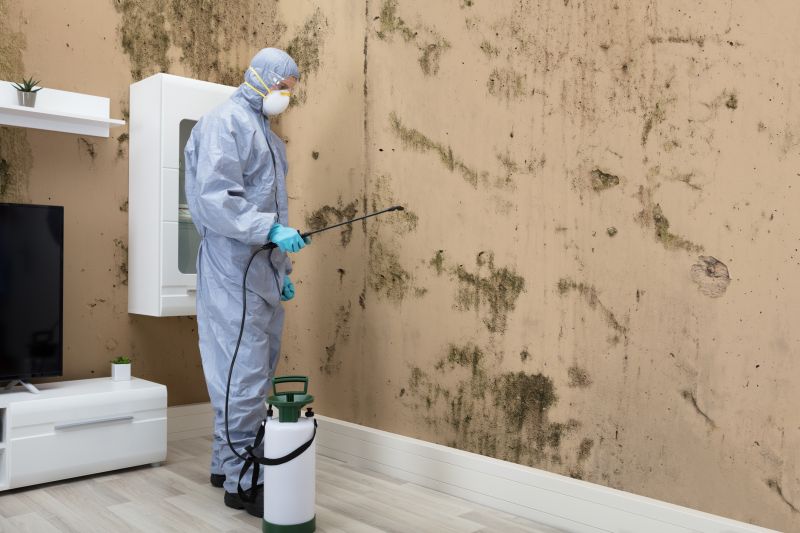
Mold Abatement Services
Examples of mold abatement work property owners may explore in dallas, tx.
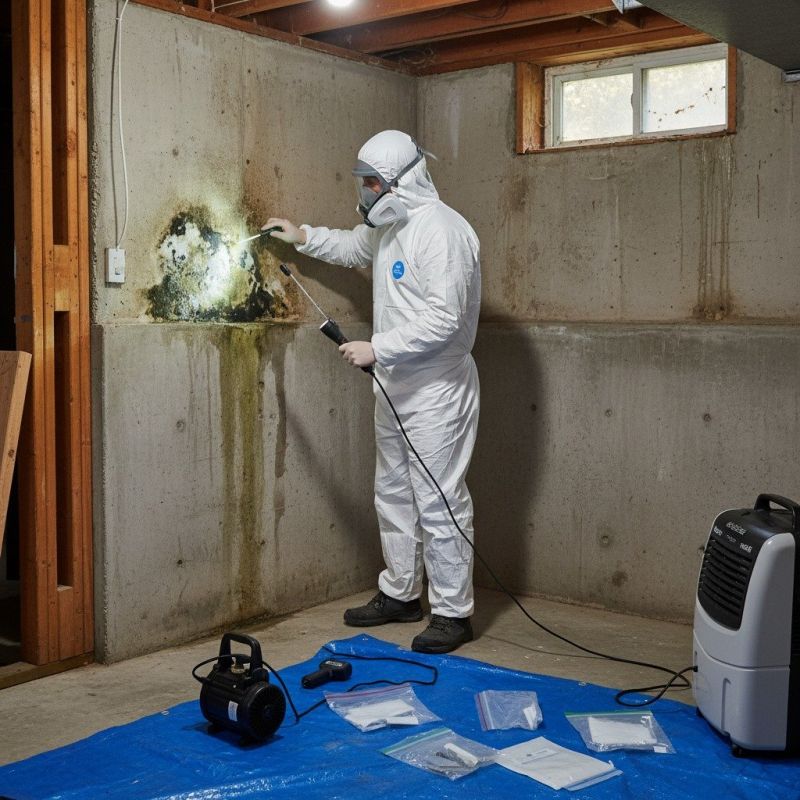
Mold Abatement Updates
Common ways people refresh, improve, or restore mold abatement features in dallas, tx.
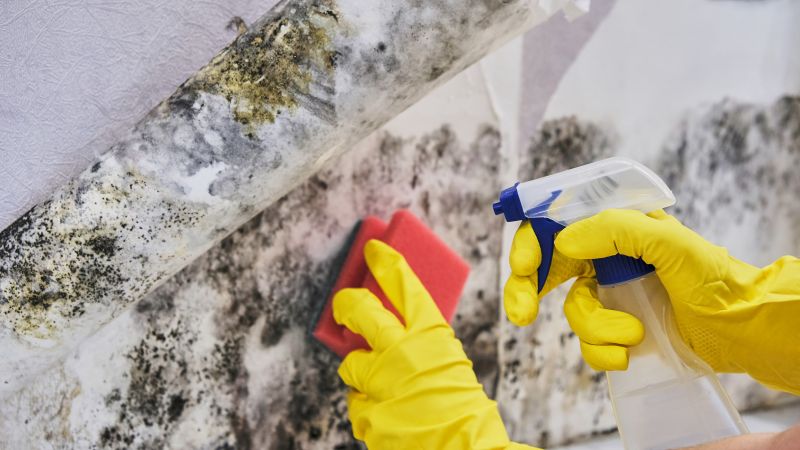
Mold Abatement Options
Different styles, layouts, and finishes people consider for mold abatement in dallas, tx.
Mold Abatement in Dallas, TX
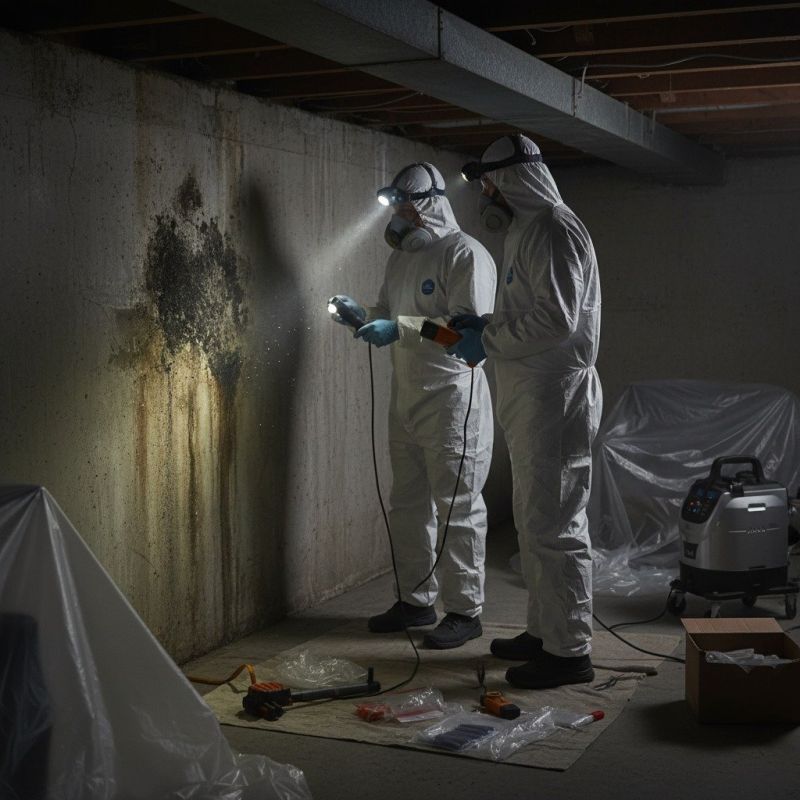
Mold abatement services involve the removal and remediation of mold growth within residential properties. These projects typically address issues caused by excess moisture, leaks, or high humidity, and can include cleaning contaminated surfaces, removing affected materials, and implementing strategies to prevent future mold growth. Homeowners often seek this service when they notice visible mold, experience musty odors, or have health concerns related to mold exposure, especially in areas like basements, bathrooms, or around HVAC systems.
Before requesting mold abatement, property owners usually want to understand the extent of mold contamination, the types of materials that need removal, and the potential for hidden mold in wall cavities or behind fixtures. It’s important to identify the source of moisture contributing to mold growth to ensure effective remediation. Clear communication about the scope of work, any necessary repairs, and ongoing prevention measures can help homeowners make informed decisions about addressing mold issues in their homes.
Many property owners in Dallas, TX look into Mold Abatement for repairs, replacements, upgrades, and appearance-related improvements.
Common Mold Abatement Jobs
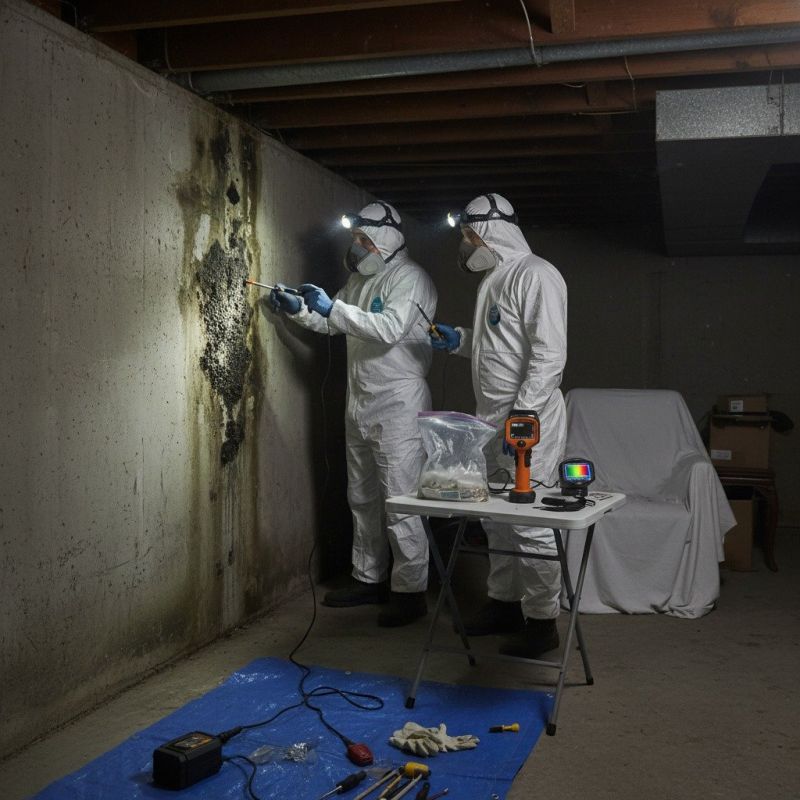
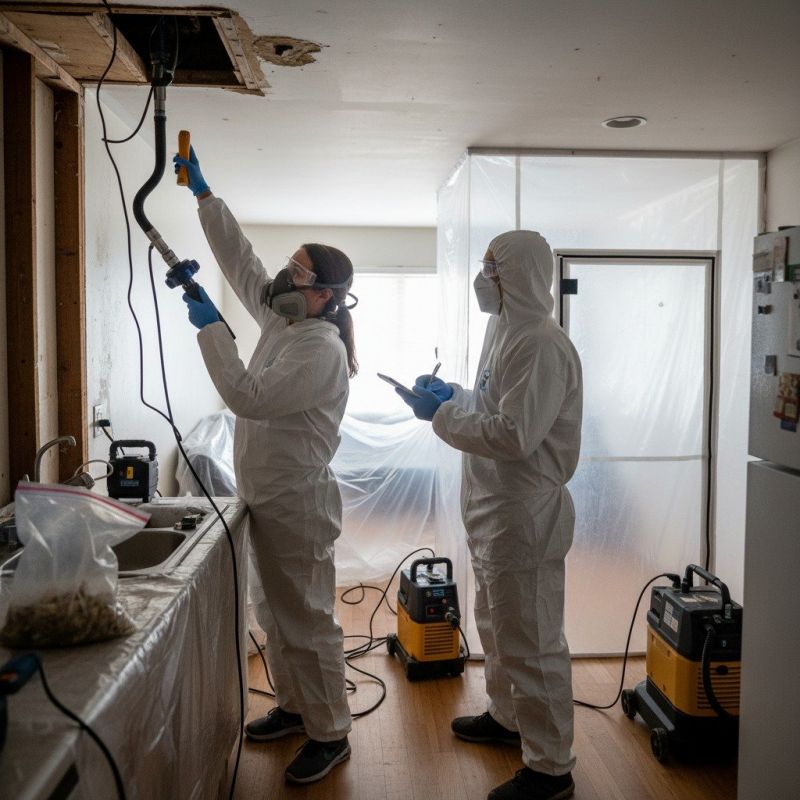
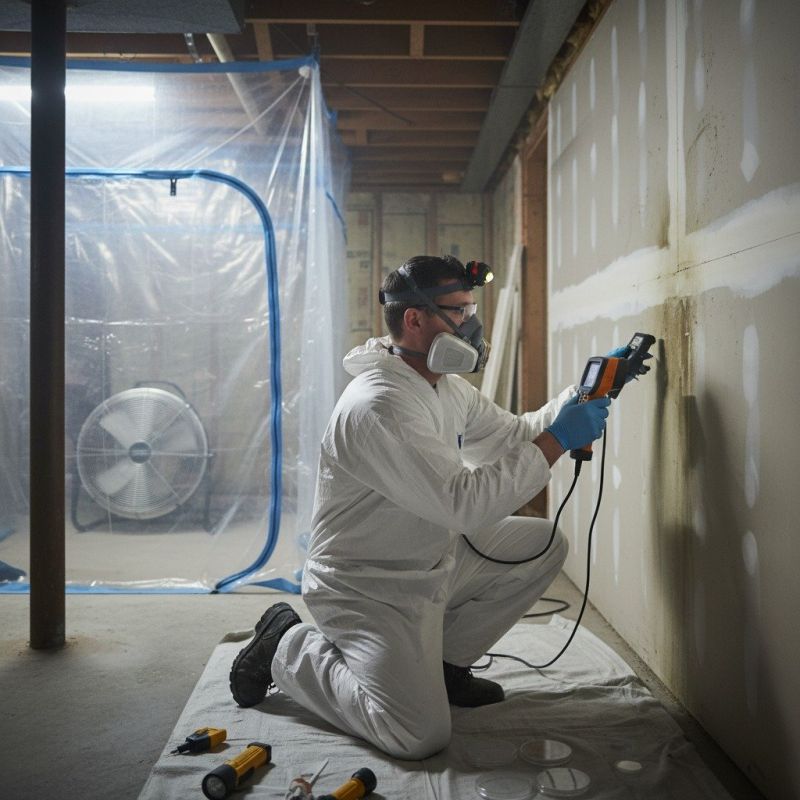
Mold Remediation - involves removing mold growth from affected areas to improve indoor air quality.
Mold Inspection - identifies the extent and source of mold issues within a property.
Moisture Control - addresses underlying water problems to prevent mold from returning.
Surface Cleaning - uses specialized techniques to clean mold from walls, ceilings, and other surfaces.
Air Purification - improves indoor air by removing mold spores and airborne contaminants.
Post-Abatement Testing - confirms mold has been effectively removed and the space is safe.
Mold Abatement Questions
What causes mold growth in properties? Mold typically develops in areas with excess moisture, such as leaks, high humidity, or poor ventilation.
How can mold affect a property? Mold can cause structural damage and may impact indoor air quality, leading to health concerns for occupants.
What types of projects require mold abatement? Mold abatement is often needed after water damage, flooding, or when visible mold growth is detected indoors.
What should property owners know about mold removal? Proper mold removal involves identifying the source of moisture and thoroughly cleaning affected areas to prevent future growth.
Request Mold Abatement in Dallas, TX
Use the quote form on this page to share the basics of your project and request more information for the type of work you need.